

If you’re living with diabetes and also want to lose some weight, then you’ve asked yourself whether meal replacement shakes can become your weakness. The good news is: with an appropriate strategy, these convenient nutrition powerhouses can absolutely make their way into a healthy diet. There’s a snag, though – not all shakes are created equal, and when you’re also trying to balance your blood sugar levels with weight loss, then the choice becomes more limited.
The Link Between Diabetes and Weight Loss
Why Diabetes Patients Want to Lose Weight
OK, we admit it—lugging around that extra weight with diabetes is akin to driving a car with the parking brake on. Your body has to exert itself more than it would if running at ground level to keep up its usual functions. In Type 2 diabetes, where you’re insulin-resistant, obesity — especially around the middle — increases resistance to insulin. That is, your cells become less sensitive to insulin, and blood sugar management can seem like a losing battle.
Picture insulin as a key that unlocks your cells, allowing glucose to enter. You know you have a key and have experienced that it worked really well for you in the past, with almost any lock. And then when there is more resistance, it’s like someone has changed the locks around on you, or suddenly that key doesn’t work quite as well anymore.” You can improve your sensitivity to insulin by losing just a few pounds, as 5-10% of your weight. And that’s why discovering sustainable ways to lose weight, such as incorporating healthy meal replacement shakes into your diet, can significantly improve how you manage your diabetes.
Looking for a diabetic-friendly meal replacement? Try Glucerna Hunger Smart Shakes—low in sugar, high in protein, and packed with essential nutrients. [Shop now on Amazon!]“
The Relationship Between Blood Sugar Management & Weight Control
Here’s a little something that may surprise you – unstable blood sugar levels can undermine your weight loss. Once back on carbs, your blood sugar levels fluctuate, much like being on a rollercoaster, which triggers the hunger hormones in your body, prompting your DNA to seek out food with quick energy – often sugary or high-carb foods. This vicious cycle is what keeps a lot of people with diabetes perpetually stuck in their weight loss quest.
Consistent blood sugar levels throughout the day can help stave off hunger, minimise cravings and maintain consistent energy levels. This is where a well-constructed meal replacement shake can save the day, delivering controlled nutrition that prevents those awful blood sugar roller coasters while also helping you stick to your weight loss plan.
Diabetes-Friendly: What Features To Look for in Meal Replacement Shakes?
Essential Nutrient Compounds to Watch For
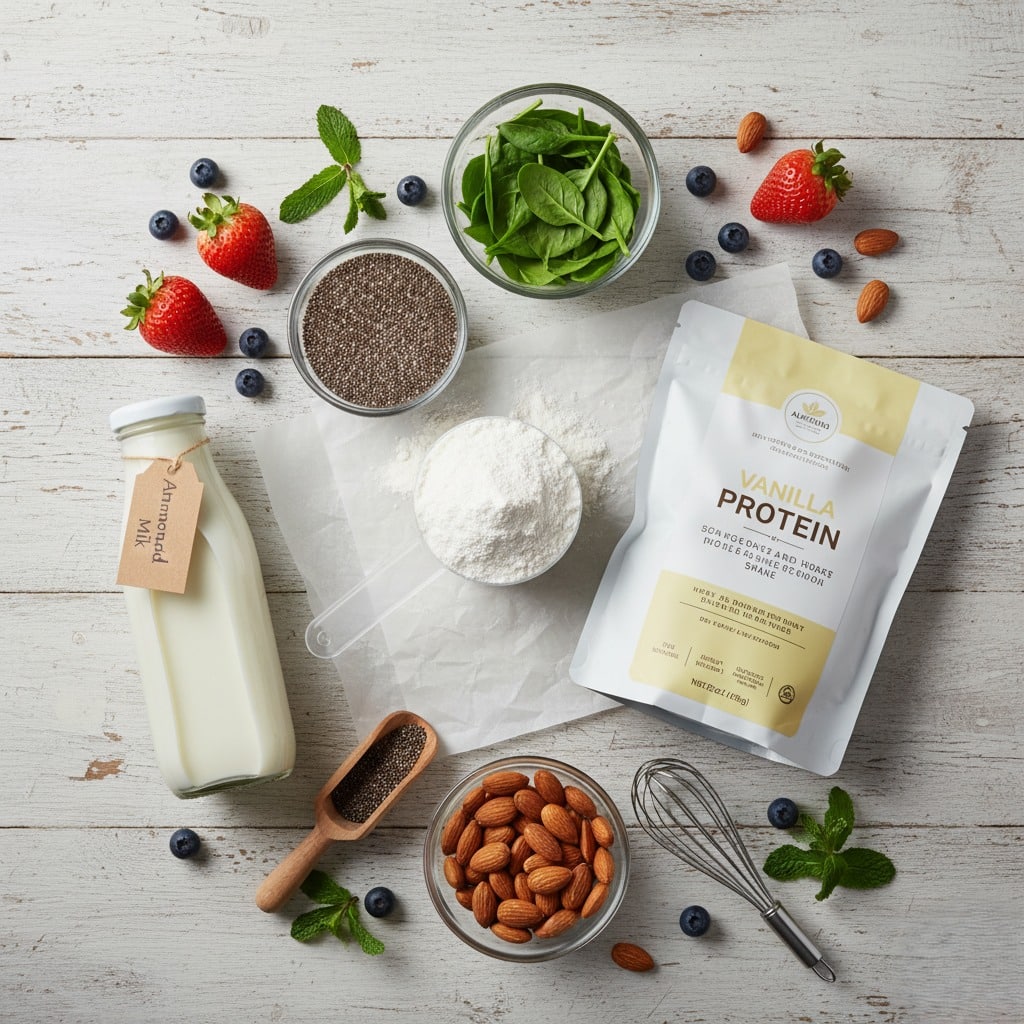
Not all meal replacement shakes are appropriate for a diabetic diet. Those that do contain a unique nutritional profile help manage blood sugar and promote body fat reduction. First, you’ll want low-carb shakes — ideally with 15 to 30 grams of carbs per serving, according to your unique needs and meal plan.
The star of the show should be protein, with at least 15-25 grams per serving. Why? Protein slows the digestion of carbohydrates and may prevent rapid spikes and drops in blood sugar levels. It also helps you stay full, and when you’re trying to bump out your calorie deficit for weight loss, that is huge! Seek Out Quality Proteins. Although it’s a good idea to opt for healthy proteins like whey or plant-based options, such as pea or hemp protein.
Fibre is another non-negotiable component. Shoot for shakes that offer a minimum of 3-5 grams of fibre per serving. It also has a way of acting like a traffic cop, pacing sugar absorption so that blood glucose levels remain more stable. And it helps that the satiety feels so good, being the difference between keeping you out of your pantry an hour after your shake (the bad kind of full) and making sure you’re free to forget about your next meal or snack for a few hours.
Ingredients to Avoid
And now let’s focus on the mischief-makers — ingredients that won’t necessarily cause weight gain, but can mess with your blood sugar enough to throw a wrench in your weight loss plans. Public Enemy No. 1: Added Sugars. They’re called many things: high-fructose corn syrup, dextrose, maltodextrin, and even so-called healthy choices like agave nectar or honey. These can lead to quick surges in your blood sugar, and you’ll feel worse than if you hadn’t had the shake at all.
Hidden Sugars and Artificial Sweeteners
Here’s where things get tricky. A lot of “sugar-free” or “diabetic-friendly” shakes depend on artificial sweeteners or sugar alcohols. While these don’t cause a blood sugar spike, some individuals may find that they trigger cravings or digestive issues. Sugar alcohols, such as sorbitol, xylitol, and maltitol, may cause bloating and gas when consumed in large quantities.
Some fake sugars also change the ecology of your gut bacteria in ways that may affect insulin sensitivity, although research is not settled yet. Your best bet? Seek out shakes sweetened with stevia or monk fruit, and/or those containing no added sweetener if these are a concern. And it is worth remembering that taste buds are adaptable – what feels less sweet than ideal one day, might start to subside in a few weeks when your overall sugar intake has been lower.
Top Advantages of Diabetic Weight Loss Meal Replacement Shakes

Portion Control and Calorie Management
Understanding portion sizes is one of the most challenging tasks in maintaining a healthy weight. And when you eyeball everything you eat, it’s easy to get away with a too-large portion without even realising it. Meal replacement shakes take the guesswork out of dieting. Each smoothie serves a pre-portioned, calorie-controlled meal perfect for your daily regimen.
This level of accuracy is especially crucial for individuals with diabetes, who must carefully manage their carbohydrate intake throughout the day. No more questioning if that bowl of cereal was a serving or three, you know what’s going in your shaker. This predictability allows you to plan your other meals and snacks, so you’ll know that as long as you combine this lunch with the correct portion sizes for your other foods (while ensuring that the total carbohydrate content is within bounds), then those unwanted ups and downs should be less of a problem.
Create your own diabetic-friendly shakes with Orgain Organic Plant-Based Protein Powder—clean, nutritious, and delicious. [Order yours today!]
Convenience and Compliance
OK, let’s face it here — meal planning and prep are tiring, especially when you have to balance work, family and a chronic condition like diabetes. This is where a good meal replacement shake shines. These are the ultimate on-the-go choice for busy mornings or rushed-at-lunch times when you would otherwise go without a meal or binge eat whatever is in sight.
If you have diabetes, skipping meals is an even bigger deal since it can cause unsafe blood sugar lows followed by highs when you do finally eat. You’ll never be in a situation where you’re forced to decide between eating something awful for your body or not eating if you have a shake ready. This regularity of eating helps keep our blood sugar levels stable throughout the day, which is essential for managing diabetes, but it’s also crucial if we’re trying to lose weight.
Balanced Nutrition in Every Serving
It’s hard enough to eat a balanced meal in the best of circumstances, let alone every single time you eat. Diabetes meal replacement shakes contain an ideal ratio of macronutrients (proteins, carbs and fats) as well as essential vitamins and minerals. This balanced approach is crucial in avoiding common nutritional deficiencies that often occur during weight loss.
While a bit of sugar is not inherently counterproductive, it’s troublesome that people with diabetes often suffer from inadequate exposure to specific nutrients – particularly the B vitamins, vitamin D and magnesium. You see, good meal replacement shakes are enriched with these essential nutrients that help you plug diet holes. This well-rounded nutrition helps with both weight loss and overall health and wellness, providing your body with what it needs to function optimally while managing diabetes.
Must-Have Details About the Best Diabetic Meal Replacement Shakes
Protein Content Requirements
With protein, the more, lot of times can be better (not in all cases). Aim for shakes with 20-30 g of protein per serving. It isn’t just about gaining muscle, though; protein is essential for controlling blood sugar and working toward a weight loss goal. It slows down gastric emptying, allowing food to move through your digestive system more slowly and causing a slower rise in blood sugar.
It takes all sorts of protein to make the world go round. Fast-absorbing whey protein has been found to contribute to better insulin response. Casein protein, meanwhile, is a slower-digesting protein that gives you a sustained release of amino acids that can help keep you full for hours. Vegetable-based protein powders, like pea, hemp or brown rice, are great if you’re sensitive to dairy products or prefer plant proteins, but they might require a mix of them to get all your essential amino acids.
Fibre for Blood Sugar Stability
Fibre is your best secret weapon against those blood sugar peaks and dips, as well as hunger pangs. Choose shakes with at least 5 grams of fibre, but 8-10 grams will be even better. Soluble fibre, in particular, creates a gel-like substance in your digestive tract that can slow the uptake of glucose, thereby avoiding those post-meal blood sugar spikes that can disrupt your diabetes management.
But fibre doesn’t just regulate blood sugar – it is also a key support to weight loss. It bulks up your shake, adding no calories to help leave you feeling full and satisfied. This satiety element is vast when it comes to creating a calorie deficit if you’re trying to lose weight. Fibre also feeds the good bacteria in your gut, which emerging evidence suggests can have an impact on both weight and insulin sensitivity.
Healthy Fat Ratios
Don’t fear the fat! Good fats are a must for diabetic meal replacement shakes. They keep you feeling full for a longer time and are also essential for the absorption of fat-soluble vitamins. Find shakes that include healthy fats, such as nuts, seeds, or MCT oil, which are good sources of monounsaturated and omega-3 fatty acids
Understanding Good vs. Bad Fats
The trick is picking the right fats. Monounsaturated fats, such as those found in almonds and avocado oil, may also help strengthen insulin sensitivity and reduce inflammation. Omega-3 fatty acids from flaxseed or chia can help support a healthy heart, which is especially vital for those with diabetes since the condition raises your risk of heart disease. Conversely, steer clear of shakes containing trans fats or excessive amounts of saturated fats, as they can worsen insulin resistance and increase the risk of heart disease.
How do I pick the perfect Meal Replacement Shake?

Decoding Nutrition Labels Like an Expert
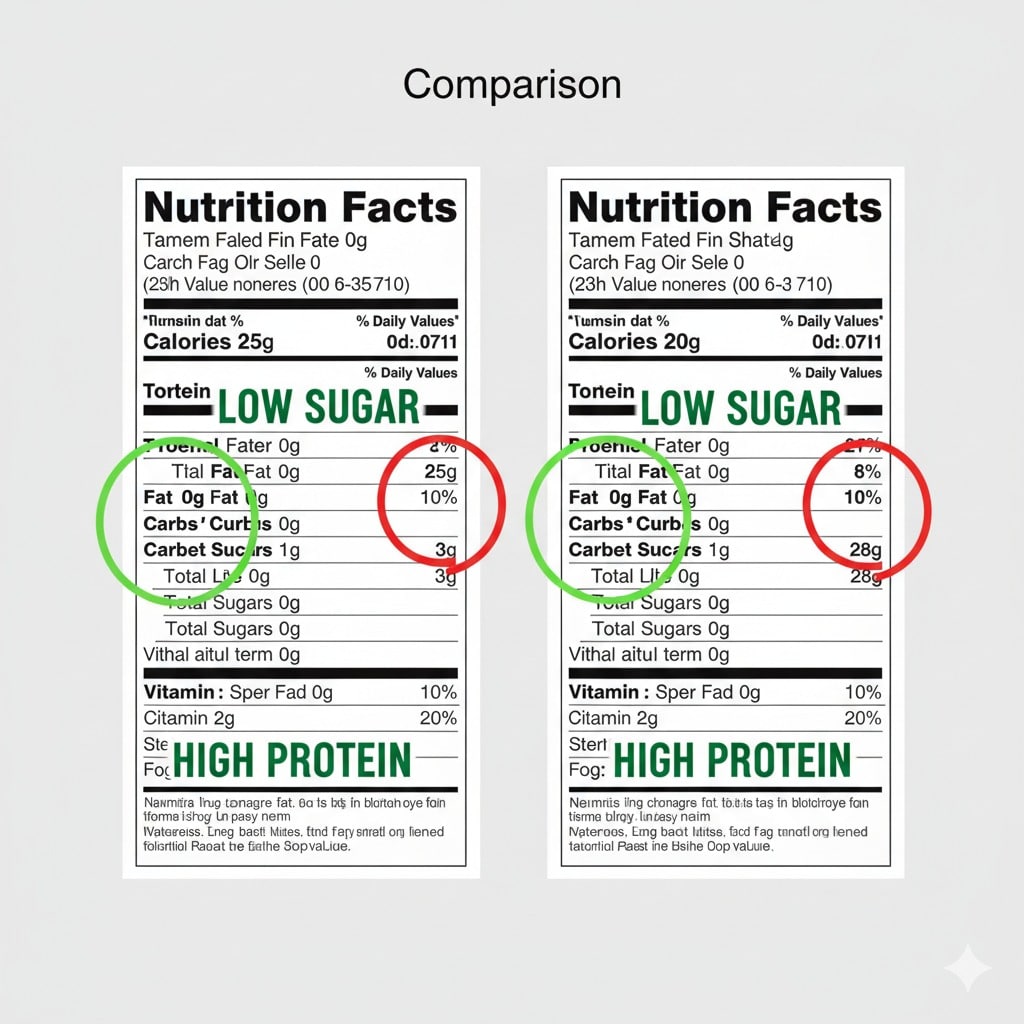
Being a nutrition label sleuth is necessary when picking meal replacement shakes specifically for diabetics and employees trying to lose weight. Begin with the serving size — some shakes can look amazing until you find out the nutritional details are for half a bottle, not an entire bottle. Next, review the total carbs and subtract the fibre to determine the net carbs, which will provide a more accurate picture of how that shake will affect your blood sugar.
Be sure to read the ingredient list carefully. Look for a sugar or sugar substitute near the top of the list of ingredients — they are listed in order of quantity, with the most prominent first. Seek out whole food ingredients that you can pronounce, and be wary of long entries for artificial colours and preservatives. The best shakes contain short, clean ingredient lists filled with recognisable foods and minimal processing.
Simplify your nutrition with Vega One All-in-One Nutritional Shake—a perfect blend of protein, fiber, and greens. [Get it on Amazon now!]
Glycemic Index Considerations
Understanding the benefits of the glycemic index (GI) will enable you to make smarter choices when selecting meal replacement shakes. The GI tells you about how fast a food raises your blood sugar. Low-GI foods (55 or less) cause a slow and steady rise in blood sugar, which is easy on the body. Most meal replacement shakes don’t have a GI rating, but you can make an educated guess by looking at the ingredients.
Shakes with increased protein and fibre, plus good fats, will generally have a lower glycemic impact. Steer clear of shakes that are full of fast-absorbing carbs from added sugars or high-glycemic index (GI) sweeteners, such as maltodextrin and corn syrup. Instead, look for shakes containing low-GI carbohydrates, such as oats, quinoa, and even resistant starch, to give you the energy boost without the wild swings in blood sugar.
How and When to Take Meal Replacement Shakes
Best Times for Shake Consumption
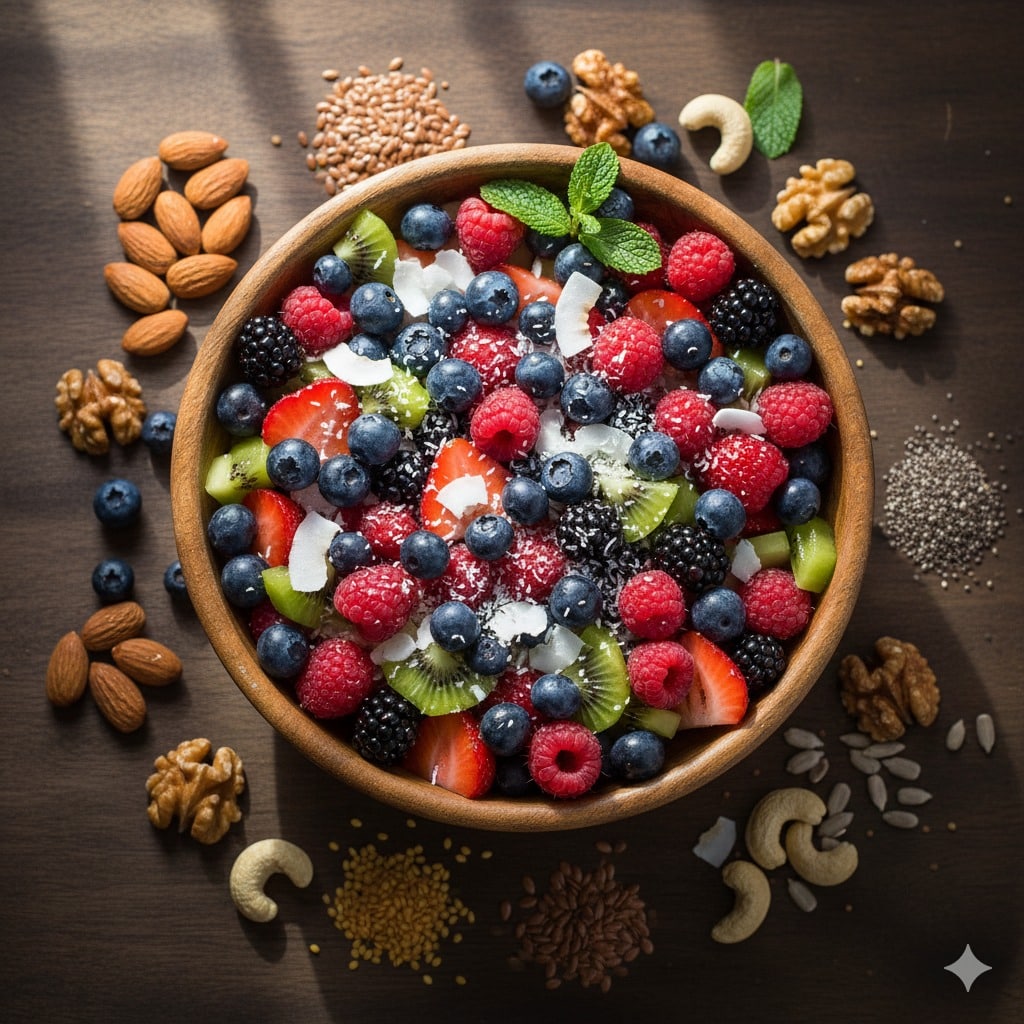
The timing is always perfect when it comes to including meal replacement shakes in your diabetic eating plan. Many people turn to shakes as a quick and easy breakfast solution – it requires very little thought or effort, is calorie-controlled, and can set the tone for the rest of the day. And when you begin your day with a balanced shake, blood sugar levels are stabilised from the start, so that midmorning energy crash won’t turn into sugary goodies and high-calorie snacking.
Another golden opportunity is at lunch, especially if you dine out or decide on a quick, carb-heavy meal while working. Additionally, having a shake for lunch can help prevent the afternoon slump and stabilise your blood sugar during the period after lunch when it typically drops. Some also drink shakes as a pre- or post-workout meal to make the most of the easily digestible nutrition that can be used for fuel or recovery.
Replacing Meals vs. Supplementing
Here’s the thing: meal replacement shakes are meant to replace meals, not be added to them. Using them in conjunction with a regular meal for additional nutritional support is contrary to weight-loss goals and could result in consuming too many calories overall. As a rule of thumb, I suggest substituting no more than 1-2 meals with shakes, leaving at least one whole-food meal to ensure you get some variety in your diet and also feel like you’re eating.
The trick is to find a sustainable pattern that gels with your lifestyle and blood sugar patterns. For some, relying on whole-food lunches and dinners to replace meals like breakfast is the best approach. Others prefer to mix it up for lunch and opt for whole foods at other meals. Notice how various patterns influence your blood sugar, energy and hunger throughout the day, and make changes as necessary.
Potential Risks and Precautions

Monitoring Blood Sugar Levels
When you start incorporating meal replacement shakes into your diet, it’s essential to monitor your blood sugar levels more closely than usual. Check throughout the day, both before and after shakes, particularly in the first few weeks. This information can help you determine how various shakes will affect your blood sugar and whether you need to adjust your diabetes medication or insulin doses accordingly.
Track which shakes you test, when you drink them, and how they affect your blood sugar levels. Differences in branding or flavour prompt a different reaction, or timing makes a considerable distinction. This is excellent information to help you refine your approach and ensure that a shake routine doesn’t exacerbate your diabetes.
Blend your way to health with the NutriBullet Blender Combo—perfect for making homemade diabetic-friendly shakes. [Check it out on Amazon!]”
Consulting with Healthcare Providers
Do not change your diet drastically without consulting your healthcare team. Your doctor, diabetes educator, or registered dietitian can help you determine if meal preparation shakes are right for your personal situation. They can also help adjust your medication regimen if necessary, since weight loss and dietary changes frequently warrant adjustments to diabetes treatment to avoid hypoglycemia.
Be especially careful if you’re on medications that can cause low blood sugar, like insulin or sulfonylureas. The lower consumption of calories when using meal replacement shakes along with these drugs may elevate the chances of hypoglycemia. Your doctor can help you develop a safe transition plan and schedule to reduce risks – but maximise the benefits of your new meal plan.
Homemade Diabetic-Friendly Meal Replacement Shakes Recipes
Basic Recipe Framework
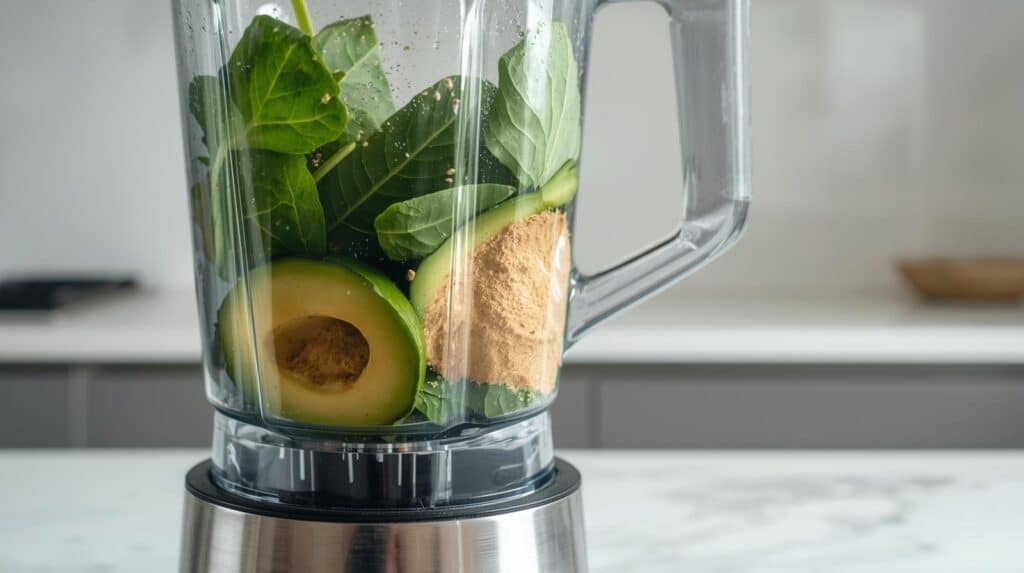
Making your own homemade meal replacement shakes gives you control over what goes into and stays out of them! Begin with 8-12 oz of liquid – unsweetened almond milk, coconut milk or water is nice. Combine with 20-30g of protein powder (unflavored or lightly sweetened) and a whole-food fat source, such as nut butter, ground flaxseed, or chia seeds, along with some fibre, preferably from foods like spinach, kale, or psyllium husk.
For flavour-added flavour and extra nutrients, consider incorporating low-glycemic fruits, such as berries (1/4 to 1/2 cup), or spices like cinnamon or vanilla extract. If necessary, stir in just a little natural sweetener, such as stevia. Puree everything until smooth, adding more liquid as needed to achieve your desired consistency. This basic setup is around 250-350 calories, using an even spread of macros, which can be beneficial for protein intake for diabetes and weight loss.
Customization Tips
That’s the best part of having DIY shakes—the limit does not exist. Experiment with different protein powders until you find one that you prefer in terms of both taste and consistency. Change it up with different low-carb veggies – cauliflower and zucchini are both quite neutral in flavour (and therefore unlikely to affect the overall taste), plus they add nutritional value. You can mix in spices like turmeric, ginger or even cocoa powder to spice up your shake and help it work double time for you, healthwise.
Be aware of your individual nutritional requirements when adapting your diet so you can maintain good health. Need more fibre? Stir in 1 tablespoon ground psyllium husk or acacia fibre. Want to boost omega-3s? Add flaxseed meal or chia seeds. Looking for more staying power? Bump up the protein or throw in a little MCT oil to offset the extra carbs. Don’t forget to keep an eye on the nutrition of your add-ins so that you don’t increase the carb or calorie count of your shake too high.
Conclusion

The truth of the matter is that you can benefit from using weight loss meal replacement shakes for diabetes, as long as you choose and use them wisely. You want to select shakes explicitly designed for blood sugar control, with sufficient protein, fibre, and healthy fats, while monitoring the amount of carbohydrates. Suppose you replace one or two meals with these nutritionally complete shakes each day. In that case, you will establish the calorie deficit necessary to lose weight while also maintaining stable blood sugar levels.
After all, narrowing in on the best option isn’t your silver bullet for weight loss with diabetes; it’s focusing on habits that work for your personal goals, as well as maintaining stable blood sugars. Meal replacement shakes can make the journey smoother, offering a variety of convenient, portion-controlled formulas that take the mystery out of meal planning. As always, continue to consult with your medical team and monitor your blood sugar (BG) levels as you use these tools to adjust your lifestyle.
Frequently Asked Questions (FAQs)
Are there any other protein shakes I can buy instead of diabetic meal replacement shakes?
Protein Shakes. While you can consume a protein shake, as part of your diabetic diet to replace meals you will be missing out on the full nutrition available in complete meal shakes. Diabetic-specific meal replacement shakes contain the ideal balance of carbohydrates, fats, proteins, and fibre in the correct proportions to help regulate blood sugar levels while providing the necessary nutrients, including vitamins and minerals. Protein shakes available at the store can be too low in calories and lacking some of the essential nutrients needed to replace a meal. If you’re drinking these in place of meals, you could end up hungry or malnourished.
How soon will I start seeing results (i.e., weight loss) with meal replacement shakes?
All weight loss figures depend on your personal weight loss goals; however, generally speaking, the majority of users can expect to lose 1-2 pounds per week as part of a calorie-controlled diet when using meal replacement shakes. Recovery of blood sugar takes precedence, and eventually, those with diabetes may see slightly slower initial weight loss. You may experience better control of blood sugar within the initial week or two, but visible weight loss generally starts in 2 to 4 weeks if used regularly.
Will using meal replacement shakes affect my diabetes medications?
Meal replacement shakes do not, on their own, cause a disruption with diabetes medications, but the shift in calories and carbohydrates you consume may necessitate changes to your medication. Suppose you are trying to lose weight and consuming fewer calories. In that case, your lower doses of insulin or other blood sugar-lowering medications could put you at risk for low blood sugar. This is why it is crucial to stay in close communication with your healthcare provider and closely monitor blood sugar levels when starting a meal replacement shake routine.
Can I drink meal shakes if I have both Type 1 and Type 2 diabetes?
Yes, people with Type 1 and Type 2 diabetes can consume meal replacement shakes differently. Type 1 diabetics will have to count carbohydrates and treat the shake as they would any other meal when adjusting their insulin level. Shakes can be beneficial for people with type 2 diabetes by contributing to weight loss and positively impacting insulin sensitivity. With any form of diabetes, monitoring of blood sugar levels and medical oversight is necessary.
What should I do if I’m hungry after drinking a meal replacement shake?
If hunger snags you soon after your shake, the problem may be that you are not choosing shakes with enough protein (20-30g) and fibre (5-10g). Before moving on to the next step, try sipping a bit of water to see if you’re just thirsty and less hungry. If you’re still hungry, consider a small, low-carb snack (think vegetables and hummus or a small handful of nuts). You’ll also want to gradually work up to meal replacement shakes by starting with just one meal per day, replacing it as your body adjusts to them, ideally beginning with either breakfast or lunch.
Pingback: Are Premier Protein Shakes Safe for Diabetics?USA Guide 2025
good